
WETSUITS
ESPORTES AQUÁTICOS
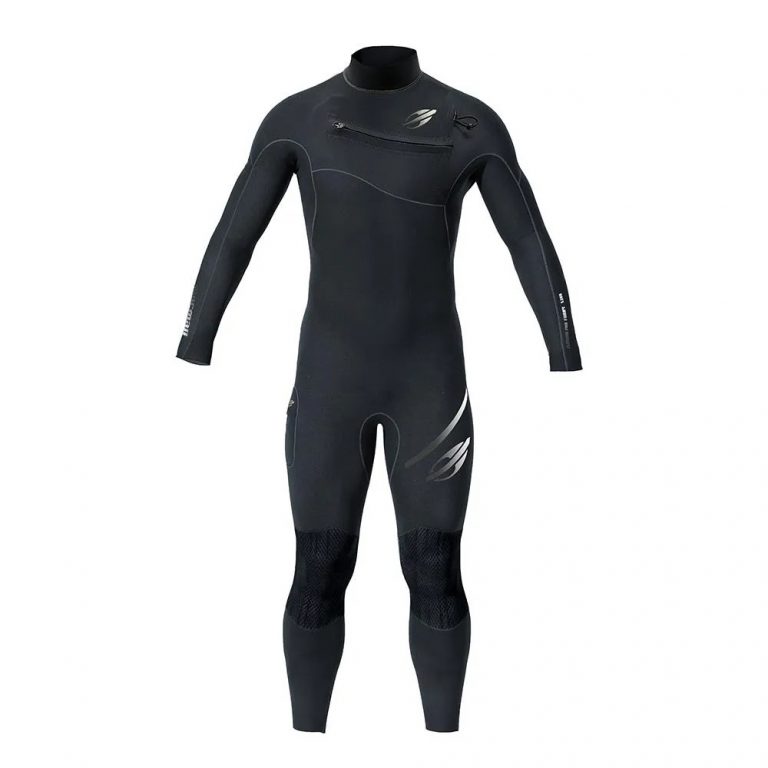
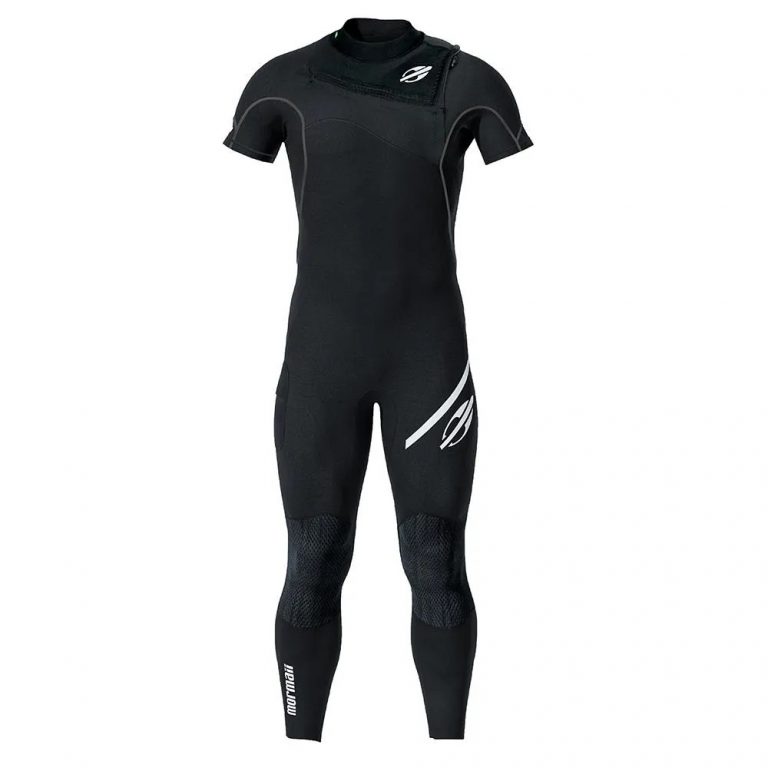
SURF
Quando o assunto é esportes aquáticos, oferecemos uma ampla gama de produtos em neoprene para diversas modalidades.
Nossas wetsuits para surf são projetadas para todas as condições climáticas, com opções de 1mm, 2mm, 3mm e até 4mm de espessura, garantindo proteção, aquecimento ao corpo e mantendo a elasticidade dos movimentos dos atletas.
How Data Privacy Laws Shape the Online Betting Experience, Our Experts Found
The relationship between data privacy legislation and online betting platforms has grown increasingly complex over the past decade. As regulators across Europe, North America, and beyond have moved to codify how personal data must be collected, stored, and processed, the gambling industry has found itself at a particularly sensitive intersection of financial services, consumer protection, and digital identity management. Understanding how these laws operate in practice — and what they mean for everyday users — requires looking beyond the headlines and into the operational realities of licensed betting operators.
The Regulatory Foundations: GDPR and Its Industry-Specific Impact
The General Data Protection Regulation, which came into force across the European Union in May 2018, fundamentally altered how online betting companies handle user data. Prior to GDPR, many operators maintained expansive data retention policies, collecting behavioral data, payment histories, and device identifiers with relatively minimal disclosure obligations. GDPR changed this in several concrete ways. Operators must now obtain explicit, informed consent before processing personal data for marketing purposes, and users have the right to request full deletion of their data — the so-called “right to be forgotten” — at any time.
For betting platforms, compliance has not been straightforward. The industry relies heavily on data analytics to identify problem gambling behaviors, verify age and identity, and comply with anti-money laundering (AML) directives. These functions require retaining certain categories of data for extended periods — often five to seven years under AML frameworks like the EU’s Fourth and Fifth Anti-Money Laundering Directives. This creates a direct tension with GDPR’s data minimization principle, which requires that only necessary data be retained for only as long as necessary. Operators have had to develop granular data classification systems that distinguish between data held for regulatory compliance purposes and data held for commercial purposes, applying different retention schedules to each category.
Fines for non-compliance have been substantial. In 2021, the Irish Data Protection Commission issued a €225 million fine against WhatsApp, and while that case involved a tech company rather than a gambling operator, it sent a clear signal across all data-intensive industries. Several mid-sized European betting operators have since invested significantly in data governance infrastructure, including appointing dedicated Data Protection Officers — a requirement under GDPR Article 37 for organizations that process data on a large scale.
Know Your Customer Processes and the Privacy Paradox
One of the most tangible ways data privacy law affects the betting experience is through Know Your Customer (KYC) verification. Licensed operators in the UK, Malta, Gibraltar, and most EU jurisdictions are legally required to verify the identity of users before allowing them to deposit funds or withdraw winnings. This process typically involves collecting government-issued identification documents, proof of address, and in some cases, source-of-funds documentation. While these requirements originate in AML and counter-terrorism financing law rather than data privacy law specifically, the two frameworks interact in ways that directly shape user experience.
Users frequently encounter friction at the verification stage — delays in account approval, requests for additional documentation, or temporary account restrictions. What many users do not realize is that the data they submit during KYC is subject to strict handling requirements under GDPR and equivalent national laws. Operators must store identity documents securely, limit internal access to verified personnel, and disclose clearly how long such documents will be retained. In practice, our experts found that compliance quality varies considerably between operators, with some maintaining ISO 27001-certified data handling infrastructure and others relying on third-party KYC vendors with their own compliance frameworks.
The privacy paradox here is real: users who value anonymity are asked to submit highly sensitive personal data as a precondition of participation. Some operators have responded by integrating electronic identity verification services — such as those built on national digital ID schemes in Sweden, Estonia, and the Netherlands — which allow identity confirmation without the operator directly storing copies of identity documents. This approach reduces the operator’s data footprint while satisfying regulatory requirements, representing a meaningful design innovation driven by the intersection of privacy law and compliance obligation.
Behavioral Data, Responsible Gambling, and Consent Architecture
Beyond identity verification, online betting platforms collect substantial volumes of behavioral data: session durations, bet frequencies, deposit patterns, game preferences, and response times. This data serves dual purposes. Commercially, it enables personalized marketing and product recommendations. From a responsible gambling perspective, it underpins algorithmic systems designed to detect early indicators of problem gambling behavior — a function that regulators increasingly require operators to implement.
The UK Gambling Commission’s 2023 consultation on online slot speed restrictions and affordability checks illustrates how regulatory pressure is pushing operators to use data more actively for consumer protection purposes. The Commission has indicated that operators should use behavioral data proactively to identify at-risk customers and intervene before harm escalates. This creates a scenario where collecting more data — and retaining it longer — may actually serve consumer protection goals, complicating the privacy-minimization calculus.
Consent architecture has become a significant area of operational investment. Under GDPR, consent for non-essential data processing must be freely given, specific, informed, and unambiguous. Cookie consent banners are the most visible manifestation of this, but for betting operators, the consent framework extends to marketing communications, profiling for personalized odds, and the sharing of data with affiliate marketing partners. The UK’s Information Commissioner’s Office (ICO) published updated guidance in 2022 clarifying that pre-ticked consent boxes and bundled consent for multiple purposes do not meet the legal standard, prompting widespread redesign of consent flows across the industry.
California’s Consumer Privacy Act (CCPA), amended and strengthened by the California Privacy Rights Act (CPRA) effective January 2023, has introduced similar obligations for operators accepting US-based customers. While online gambling remains prohibited in most US states, the states where it is licensed — New Jersey, Pennsylvania, Michigan, and a growing number of others — are beginning to develop their own data privacy frameworks that operators must navigate in addition to federal baseline standards.
Cross-Border Data Transfers and Jurisdictional Complexity
Online betting is inherently international. An operator licensed in Malta may serve customers in Germany, Sweden, and Canada simultaneously, with its data infrastructure hosted across cloud servers in multiple jurisdictions. Post-Brexit, the UK established its own data protection framework — largely mirroring GDPR but with the potential to diverge over time — and obtained an adequacy decision from the EU Commission in June 2021, valid for four years. This decision allows personal data to flow between the EU and UK without additional safeguards, but it is subject to review and could be revoked if UK law diverges significantly from EU standards.
For operators, cross-border data transfers require careful legal documentation. Standard Contractual Clauses (SCCs), updated by the European Commission in June 2021, are the primary mechanism for transferring data to countries outside the EU that lack an adequacy decision. Operators transferring data to US-based cloud providers, for instance, must conduct Transfer Impact Assessments to evaluate whether the legal environment in the destination country provides adequate protection for EU residents’ data. The invalidation of the EU-US Privacy Shield framework by the Court of Justice of the European Union in the 2020 Schrems II ruling made this process significantly more burdensome.
Smaller operators have found this jurisdictional complexity particularly challenging. Compliance with multiple overlapping frameworks — GDPR, UK GDPR, CCPA, and emerging state-level US laws — requires legal expertise and technical infrastructure that represents a meaningful cost. This has contributed to consolidation in the industry, as larger operators with dedicated compliance teams are better positioned to absorb these costs, while smaller platforms face pressure to either invest heavily in compliance or exit certain markets.
Data privacy law has moved from a peripheral compliance consideration to a central operational constraint for online betting platforms. The regulations governing how user data is collected, stored, and processed now shape everything from account registration flows to the architecture of responsible gambling systems. For users, this means greater transparency and more control over personal information — but also more friction in the onboarding process and more complex consent decisions to navigate. The direction of travel is clear: as regulators in Europe, the UK, and North America continue to tighten standards, operators that build robust privacy compliance into their core infrastructure — rather than treating it as a box-ticking exercise — will be better positioned to operate sustainably across multiple regulated markets.
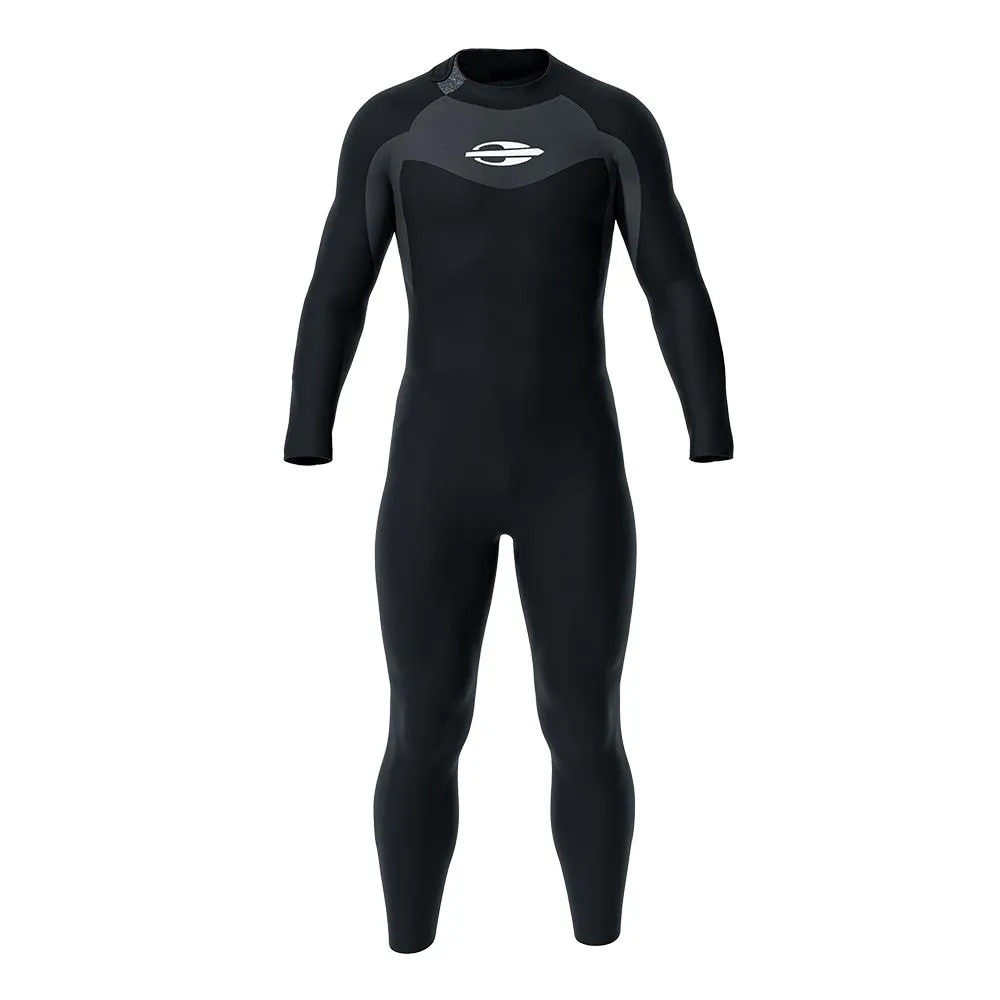
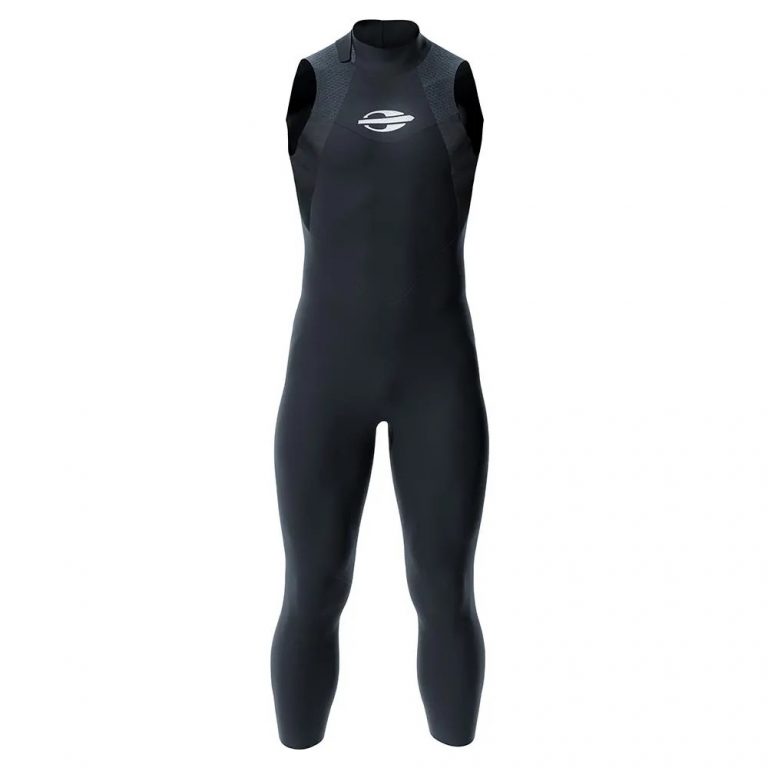
TRIATHLON
Para o triathlon, nossas roupas de borracha foram desenvolvidas para proporcionar máxima mobilidade e leveza, sem comprometer a funcionalidade, assegurando conforto e desempenho em cada etapa da prova, especialmente na natação.
FOR FISHING
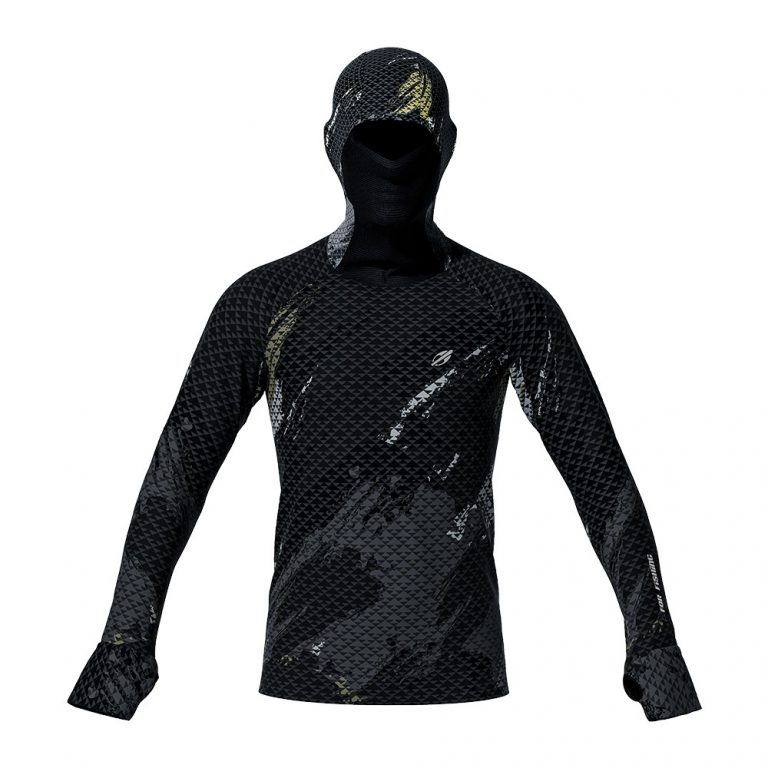
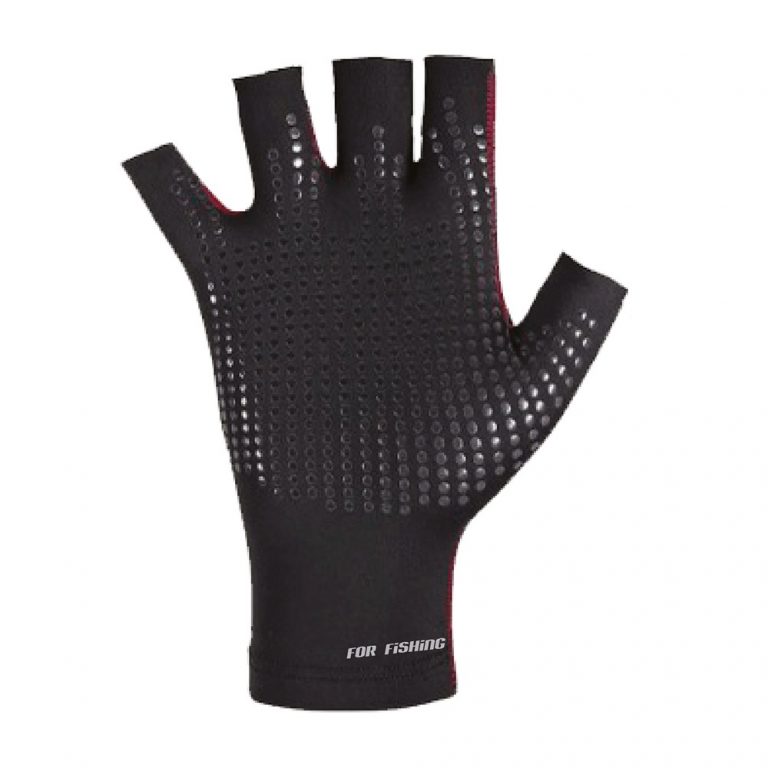
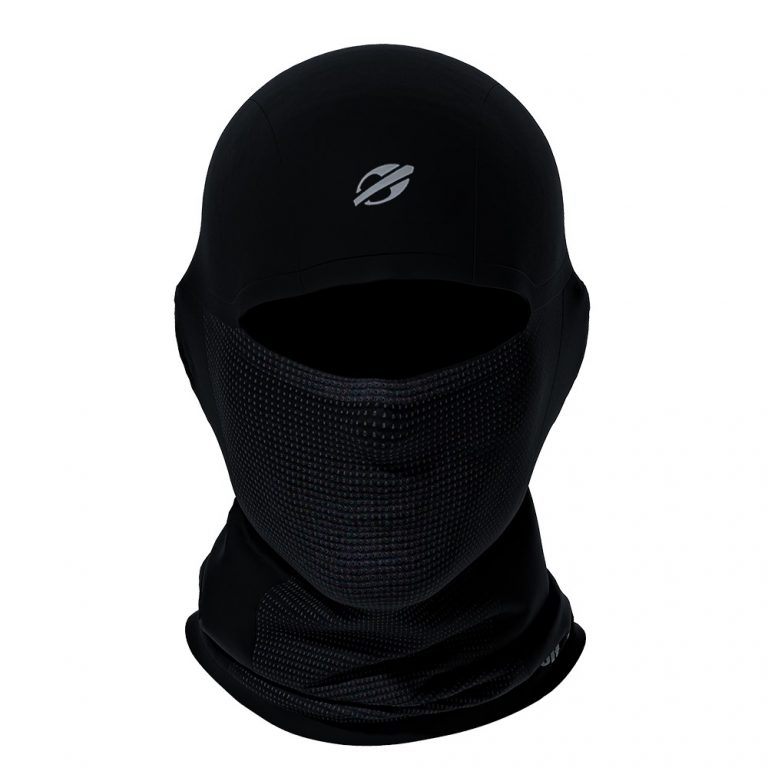
As linhas de Mergulho e For Fishing oferecem aquecimento intenso e proteção, essenciais para longos períodos de atividade, garantindo conforto e segurança. A coleção For Fishing foi desenvolvida para oferecer segurança, conforto e praticidade durante a pesca, com tecnologia Dry que facilita a evaporação do suor. Já a linha Mormaii UV50+ garante proteção solar, bloqueando até 98% da radiação UV
LINHA UV
conforto e proteção
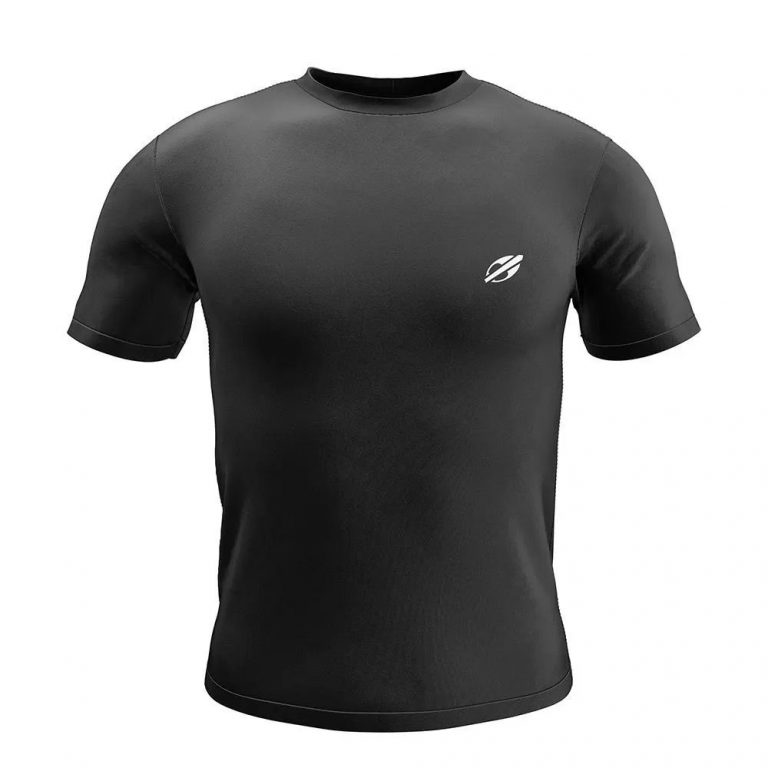
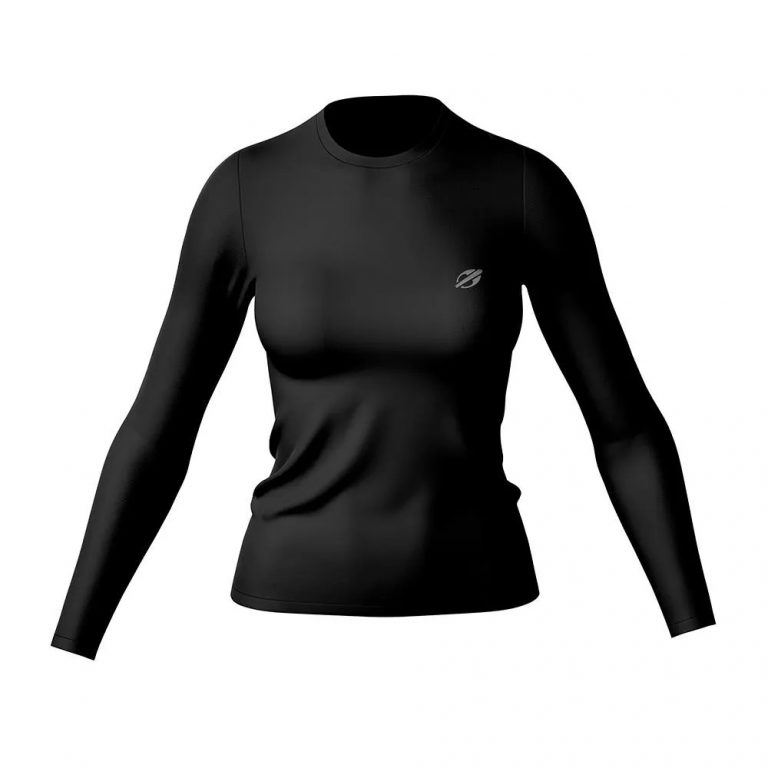
Na busca por conforto e proteção nos dias ensolarados, as camisas UV são aliadas indispensáveis. Com a crescente preocupação com os danos causados pela exposição excessiva ao sol, a moda surfista oferece uma solução inteligente: peças que, além de estilo, garantem proteção contra raios ultravioleta. Se você é apaixonado por surf ou simplesmente gosta de aproveitar o dia na praia com segurança, as camisas UV são itens essenciais em seu guarda-roupa.
ACESSÓRIOS
linha completa de acessórios em neoprene
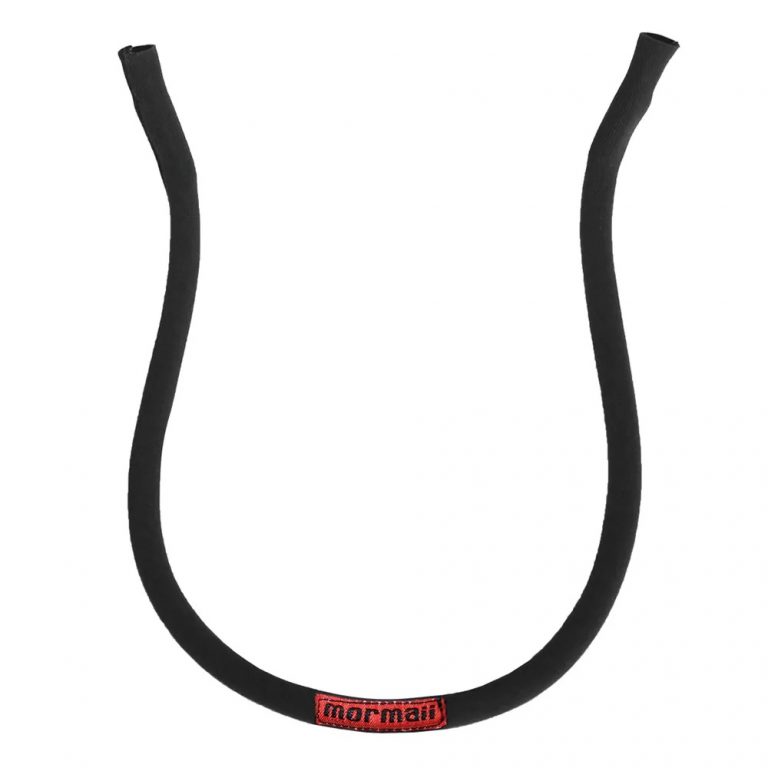
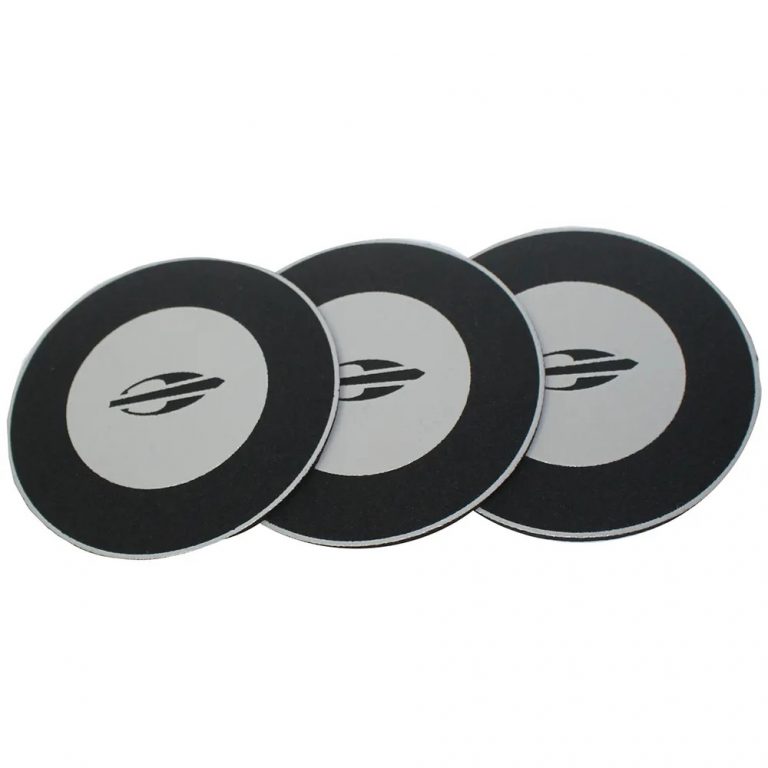
Além de roupas de alto desempenho, também produzimos uma linha completa de acessórios em neoprene. Desde pochetes práticas e estilosas, até necessaires funcionais, chaveiros, seguranças para óculos, mouse pads confortáveis e lixeiras para carros (lixo car), nossos acessórios são projetados para oferecer durabilidade, funcionalidade e estilo. Descubra a versatilidade do neoprene em cada detalhe e complemente seu dia a dia com produtos de qualidade.

ORTÓPEDICOS
Neocycle - Térmico e compressivo
O Neocycle é uma variante sustentável do neoprene tradicional, amplamente utilizado em produtos ortopédicos devido às suas propriedades térmicas e compressivas.

TÉRMICO
As propriedades térmicas do Neocycle ajudam a aumentar o calor na área lesionada, promovendo a dilatação das artérias e o aumento da oxigenação, essencial para a recuperação celular.

COMPRESSÃO
A compressão oferecida pelo Neocycle reduz o inchaço, controla a dor, estabiliza lesões e eleva a temperatura local, favorecendo a recuperação em diferentes fases da inflamação.

ANÂTOMICO, ELÁSTICO E FLEXÍVEL
Desenvolvido com modelagem anatômica e unissex, o Neocycle é elástico e flexível, proporcionando ajuste confortável e seguro ao corpo.